In 2026, seasonal battle passes are a standard part of live-service shooters, but PUBG's Survivor Pass: Rondo remains a memorable example of how a major game can overhaul progression. The pass arrived alongside Rondo, PUBG's tenth Battleground, and Update 27.1. It was more than a cosmetic bundle: it introduced a revamped reward system, a new Survivor Points currency, a shorter four-week duration, and a lobby tab that kept progress visible at all times. For players who want to understand how modern pass systems evolved, the Rondo pass is a useful snapshot.

A New Map, a New Pass
Rondo's debut gave the pass its theme, but the real story was structural. The Survivor Pass: Rondo Premium Pack cost $14.99, while the base Survivor Pass: Rondo cost $4.99. On PC, sales ran from December 6, 2023, after live server maintenance, until January 3, 2024, at 12 AM UTC. Console players got a slightly later window: December 14, 2023, after maintenance, through January 11, 2024, at 1 AM UTC. Due to legal regulations, the pass was not available for purchase in Belgium and the Netherlands.
Important changes came with the package. Survivor Passes could no longer be purchased with in-game currencies such as G-COIN. Bundles that included the Rondo pass could not be bought once a player purchased one of the main items. Level-up items could be used until level 30, and any excess levels were returned as 1-level items for the next pass. That last detail mattered because it made level-up purchases less wasteful for dedicated players.
Tracks, Levels, and Claiming Rewards
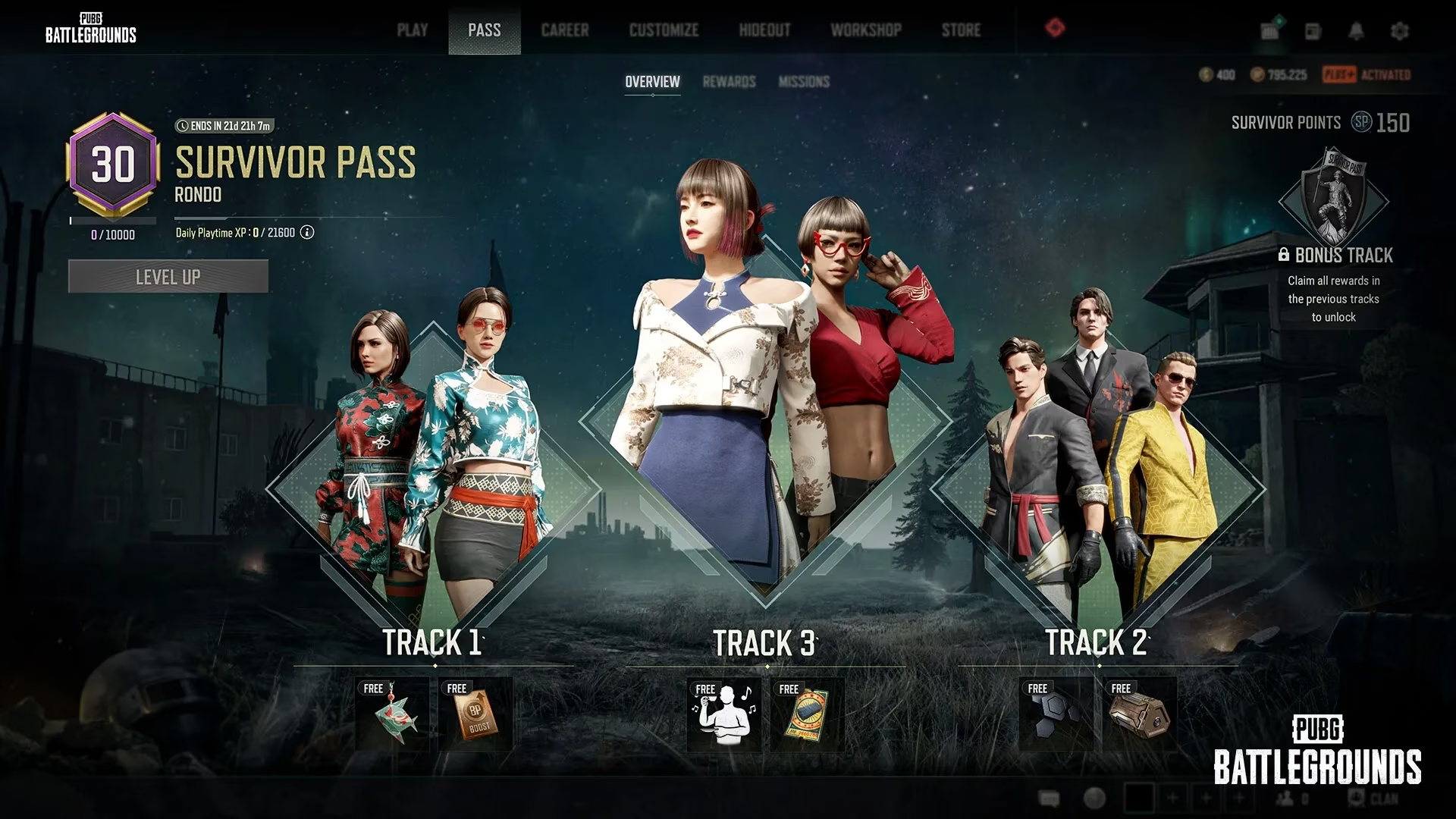
The revamped pass used three tracks totaling 30 levels, plus a bonus track of 10 levels. Each track unlocked once the player reached a specific Pass level. After that, the rewards inside the unlocked track became available.
The system gave players unusual freedom. They could claim any reward within an unlocked track in any order. They did not have to claim every reward in one track to unlock the next one, and they could save Survivor Points for later tracks. For Premium Pass owners, claiming all rewards in each track also offered track completion rewards. It was a more flexible design than the traditional linear battle pass, where players often feel forced to claim everything in sequence.
Survivor Points and the Reward Pool
A new Survivor Points system sat at the center of the revamp. Players earned 5 Survivor Points per level up, and the same earning rule applied even if they had not purchased the Premium Pass. Each reward required a different amount of Survivor Points, so players had to decide what to claim first.
The reward pool was expanded with the revamped system. It included G-COIN, Schematics, Survivor's Chests, and Artisan Tokens. Survivor's Chests were especially notable: they were a new type of Workshop Chest added to the Survivor Pass rewards. These chests contained items released in previous Survivor Passes, and they appeared only as bonus rewards in the Premium Pass.
Once a player reached level 31, every level up granted one Survivor Pass Contender Medal and one Bonus Track Level Up Reward. The maximum level was 70. After the bonus track was completed, the Pass XP required to level up gradually increased, which kept the endgame grind meaningful without removing the possibility of continued progress.
Missions, XP, and Quality-of-Life Changes
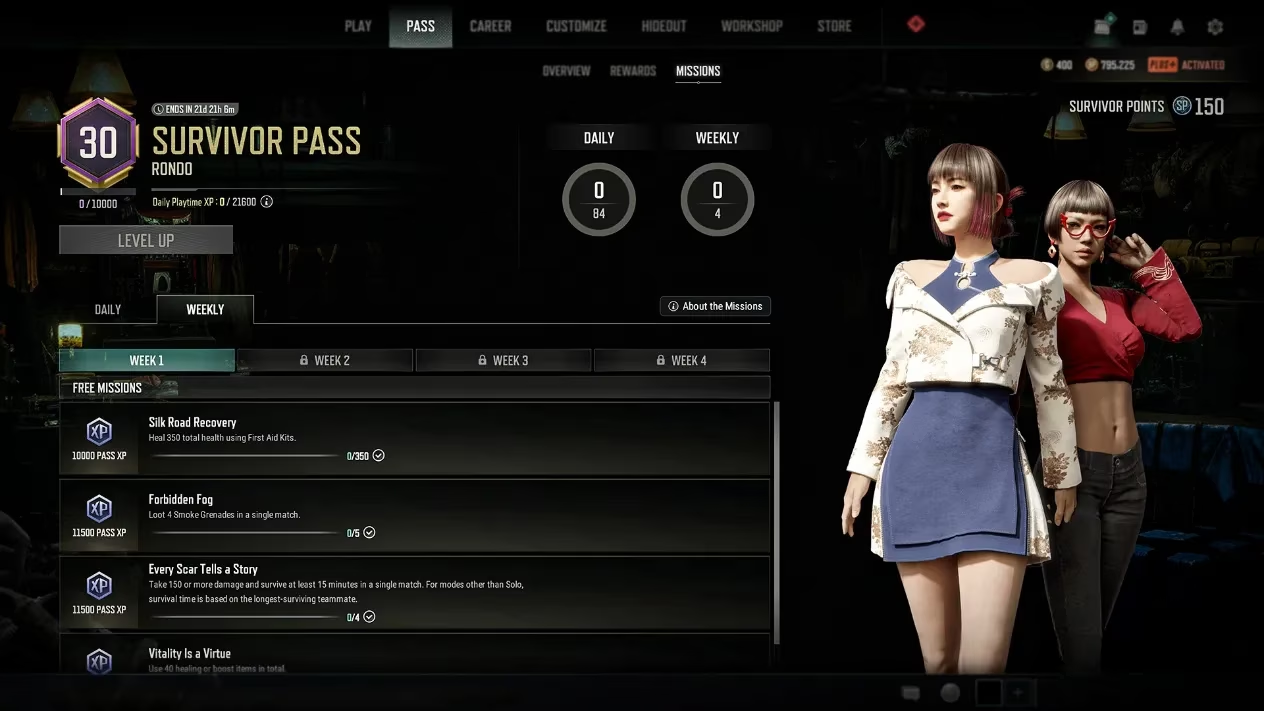
The pass duration was set at four weeks, a significant shift from longer seasonal passes. To match that tighter schedule, the Pass XP system was rebalanced. Daily and weekly missions gave slightly more Pass XP than before. Survival time in Arcade modes also counted toward Daily Playtime XP, which made alternative modes more rewarding for pass progression. Meanwhile, the option to get an additional set of daily missions was removed.
A small but useful addition was the always-on Pass tab in the lobby. It let players check their current level, how much Pass XP they had earned, and which free or major rewards each track offered. They could also view and claim rewards, preview detailed reward lists, and track progress without diving through multiple menus.
Why the Rondo Pass Still Matters in 2026
By 2026, four-week passes and flexible reward claiming are common in live-service games. The Survivor Pass: Rondo helped push PUBG in that direction. It reduced the price, changed the composition of the pass, introduced Survivor Points, and gave players more control over when and how they claimed rewards. It also tied progression to a major map launch, making Rondo feel like an event rather than just another content drop.
For players who experienced it, the pass was a mix of old and new: familiar missions, familiar leveling, but a very different reward economy. For anyone studying battle pass design today, it stands as a clear example of how a game can shorten a season, expand the reward pool, and still give players room to breathe. 🎯

That was the Survivor Pass: Rondo system in a nutshell. It launched with Update 27.1, ran for four weeks, and left a blueprint that later passes could build on.
Data referenced from GamesIndustry.biz helps frame why PUBG’s Survivor Pass: Rondo felt like a meaningful progression overhaul rather than a routine cosmetic drop: the shortened four-week cadence, clearer in-lobby visibility, and flexible reward claiming align with broader live-service trends toward tighter seasons and more player-directed value, especially when paired with a major content beat like a new map launch.