As of 2025, PlayerUnknown's Battlegrounds continues to dominate the gaming landscape, evolving far beyond its initial success. The game, which once stunned the industry by outperforming even Valve's titans on Steam's concurrent user charts, has expanded its horizons with meticulously crafted maps that redefine battle royale experiences. While the original Erangel map set the stage for chaotic last-man-standing showdowns among up to 99 players, the introduction of the desert map—teased years ago by creator Brendan 'PlayerUnknown' Greene—has matured into a masterpiece of digital terrain design. 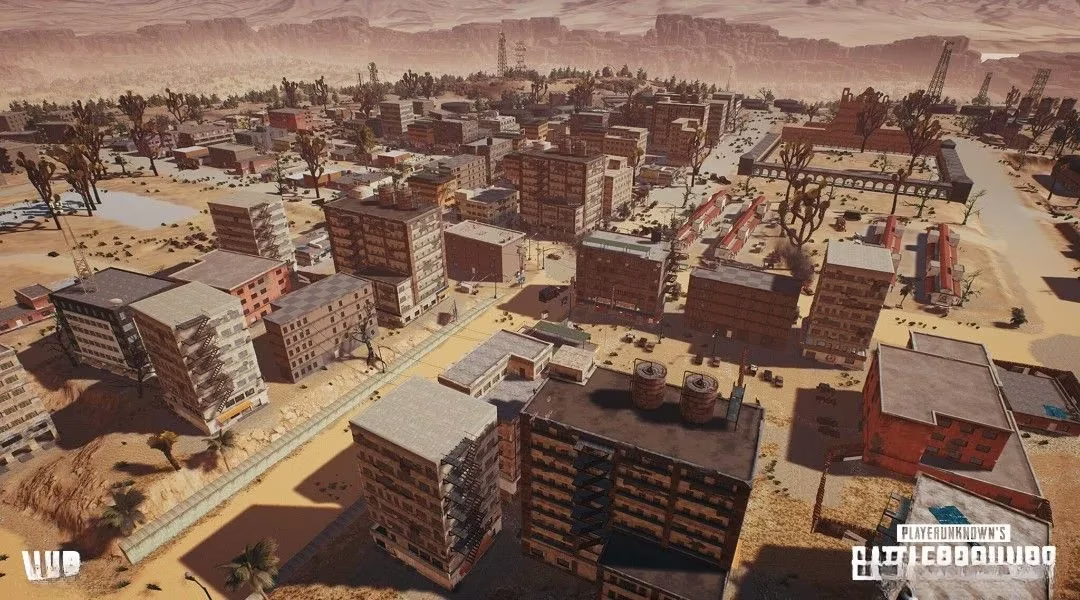
🌵 A New Frontier: The Desert Map's Urban Heart
Unlike the sparse early previews that hinted at mere texture variations, the desert map now boasts a sprawling metropolis that dwarfs any location in Erangel. This urban center is not just a visual upgrade; it's a gameplay revolution. With buildings soaring up to nine stories high, the verticality introduces a fresh layer of strategy. Players accustomed to the relatively flat villages of Yasnaya Polyana or Georgopol must now adapt to a dense, multi-level environment where every window and rooftop could hide a sniper. The city's scale is unprecedented—imagine the chaos of Pochinki, but amplified by towering skyscrapers and labyrinthine alleyways. As Greene emphasized during development, this was designed to push PUBG beyond its rural roots into a gritty, urban warfare simulator.
️ Gameplay Dynamics: Verticality and Tactical Depth
This new city transforms PUBG's core mechanics in thrilling ways. Urban combat here feels like a scene from an action movie, with firefights erupting across balconies, stairwells, and underground parking lots. The high-rises create opportunities for ambushes and stealth, allowing players to 'lie low' while tracking the shrinking play zone. Key features include:
-
Vertical Engagement: Snipers can dominate from elevated perches, but close-quarters battles in tight corridors balance the gameplay.
-
Dynamic Endings: Final circles in the city avoid the passive 'grass hiding' of Erangel, forcing aggressive maneuvers through ruined buildings.
-
New Loot Systems: Buildings are filled with tiered loot, encouraging risk-reward decisions for players brave enough to storm the heights.
The map's design philosophy aligns with modern gaming trends—emphasizing player agency and unpredictability. It's no longer just about finding a gun; it's about controlling vantage points and outsmarting opponents in a 3D space.
Platform Evolution: From PC to Console Dominance
Back in 2017, PUBG's Xbox One debut via the Xbox Game Preview program was a milestone, but by 2025, the desert map has become a cross-platform staple. What began as a timed exclusive for consoles now thrives on next-gen hardware, leveraging ray tracing and faster load times to render the city's细节 in stunning detail. The map's rollout exemplified PUBG Corp's commitment to inclusivity, ensuring no player was left behind. Today, it's a benchmark for how battle royale games can evolve without fragmenting their community.
🔮 The Future of PUBG's Map Design
Looking ahead, the desert map's urban sprawl has set a precedent for future expansions. Rumors suggest Greene's team is experimenting with dynamic weather events—like sandstorms that reduce visibility—to keep the meta fresh. One thing is certain: PUBG's mantra of 'easy to learn, hard to master' is alive and well here. Whether you're a veteran or a newbie, this map delivers heart-pounding moments that remind us why this game became a cultural phenomenon. As players often say, 'It's not just a game; it's a survival saga.'