As a passionate gamer, I still vividly recall the electric buzz surrounding the launch of PlayerUnknown's Battlegrounds on Xbox One back in 2017. It was a landmark moment, bridging the gap between the PC phenomenon and the console community. Microsoft, keen to capitalize on this seismic shift, orchestrated one of the most audacious and memorable marketing campaigns I've ever witnessed. They didn't just advertise the game; they brought its core mechanic to life, air-dropping real-world loot crates over major Australian cities. This wasn't just a promotion; it was an event that blurred the lines between the digital battleground and reality, creating stories and memories for the lucky participants on the ground.
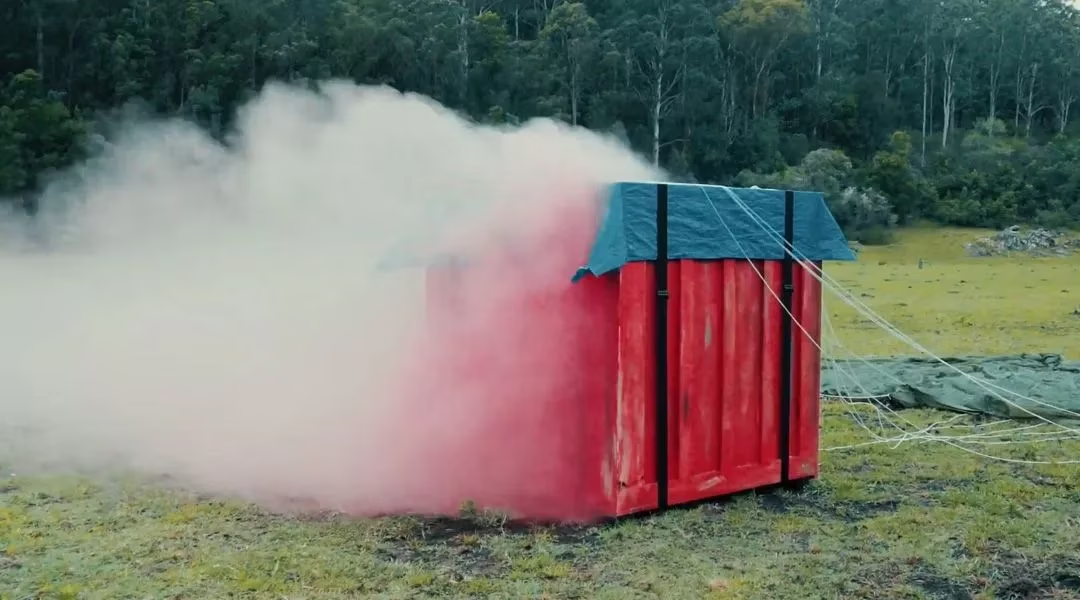
The Grand Airdrop Event 🪂
The premise was brilliantly simple and directly lifted from the game's frantic early moments. A plane, much like the one that starts every PUBG match, flew over three of Australia's largest metropolitan areas: Melbourne, Brisbane, and Sydney. Its payload? Not players parachuting to their doom, but tangible treasure chests filled with coveted gaming gear. This physical manifestation of the game's iconic supply drops was a masterstroke in experiential marketing. It transformed passive consumers into active participants in a real-life scavenger hunt, directly mirroring the gameplay loop of searching for high-tier loot.
The contents of these crates were enough to make any Xbox enthusiast's heart race. Microsoft packed them with premium hardware and digital goodies, including:
-
Xbox One consoles (the ultimate prize!)
-
Xbox Elite Wireless Controllers for a competitive edge
-
Xbox Live subscription codes and game codes
-
An assortment of exclusive PUBG merchandise
While the official reports from the time were coy about it, the community fervently hoped—and many rumors suggested—that the legendary frying pan, the game's iconic melee weapon and improbable bullet shield, was among the loot. Finding out was part of the adventure.
The Hunt for Coordinates and Passwords 🔍
Of course, it wouldn't be a true PUBG experience without a challenge. Simply finding the crate wasn't enough. To claim the prizes inside, participants faced a two-step puzzle that required both physical presence and digital savvy. First, hopeful hunters had to monitor the official Xbox Australia & New Zealand (ANZ) Facebook Page. The page served as mission control, releasing the GPS coordinates—or at least the general public locations—where the crates had landed in each city.
Second, and most crucially, each crate was secured with a lock requiring a password. These codes were also disseminated through the same social media channels. This clever mechanic ensured massive engagement with Xbox's online platforms, turning the event into a sustained, multi-day social media spectacle. It fostered a real sense of community as players banded together online, sharing tips and speculation about drop zones before scrambling to the locations in person. The age restriction of 18 or older added to the mature, high-stakes atmosphere the game was known for.
A Stunt That Defined an Era 🎯
Looking back from 2026, this campaign stands out as a watershed moment in gaming marketing. In late 2017, the term "loot box" was becoming increasingly controversial, synonymous with predatory monetization in other titles. Microsoft's Australian team brilliantly reframed the concept. Their real-life loot crates were purely celebratory, offering tangible rewards without any monetary cost or random chance beyond the initial airdrop location. It was a positive, community-focused interpretation that generated pure excitement.
The context made it even more impactful. PUBG was an unprecedented success story, selling over 15 million copies on PC while still in Early Access—a feat reminiscent of Minecraft's organic rise. Bringing this juggernaut to console was a major coup for Microsoft. The airdrop stunt perfectly captured the game's essence: unpredictable, thrilling, and rewarding for those willing to venture into the unknown. It was a physical metaphor for the game's launch itself—a high-risk, high-reward drop into a new platform.
Legacy and Lasting Impact 📈
The success of this campaign was multi-faceted. It generated immense pre-launch hype, ensuring PUBG's Xbox debut was the talk of the gaming world. More importantly, it created lasting brand loyalty and priceless word-of-mouth marketing. The stories of winners trekking across parks or urban centers to unlock their crate became local legends, far more effective than any traditional advertisement.
In the years since, we've seen many attempts at real-world game integrations, from Pokémon GO to ARG (Alternate Reality Game) events. However, the sheer scale, simplicity, and direct gameplay correlation of the PUBG Australia airdrop remain iconic. It demonstrated that the most powerful marketing doesn't just tell players about a game's features—it lets them live them, if only for a weekend. It turned the anticipation for a digital product into a shared, real-world adventure, a testament to the cultural power gaming had achieved. For those of us who followed the hunt online or dreamed of spotting that plane, it was a thrilling reminder of the magic that happens when a game leaps off the screen and into our world.