I still remember the rush of reading the 2021 PCS ruleset announcement as a longtime PUBG Esports fan. My feed was full of debates, memes, and hot takes, but one idea stood out: the shift toward a WWCD-first philosophy. It felt bold, a little risky, and deeply aligned with why I fell in love with Battle Royale in the first place. The Chicken Dinner is everything, whether you're grinding solos, duos, or squads, and the new direction promised to close the gap between what we play and what we watch.
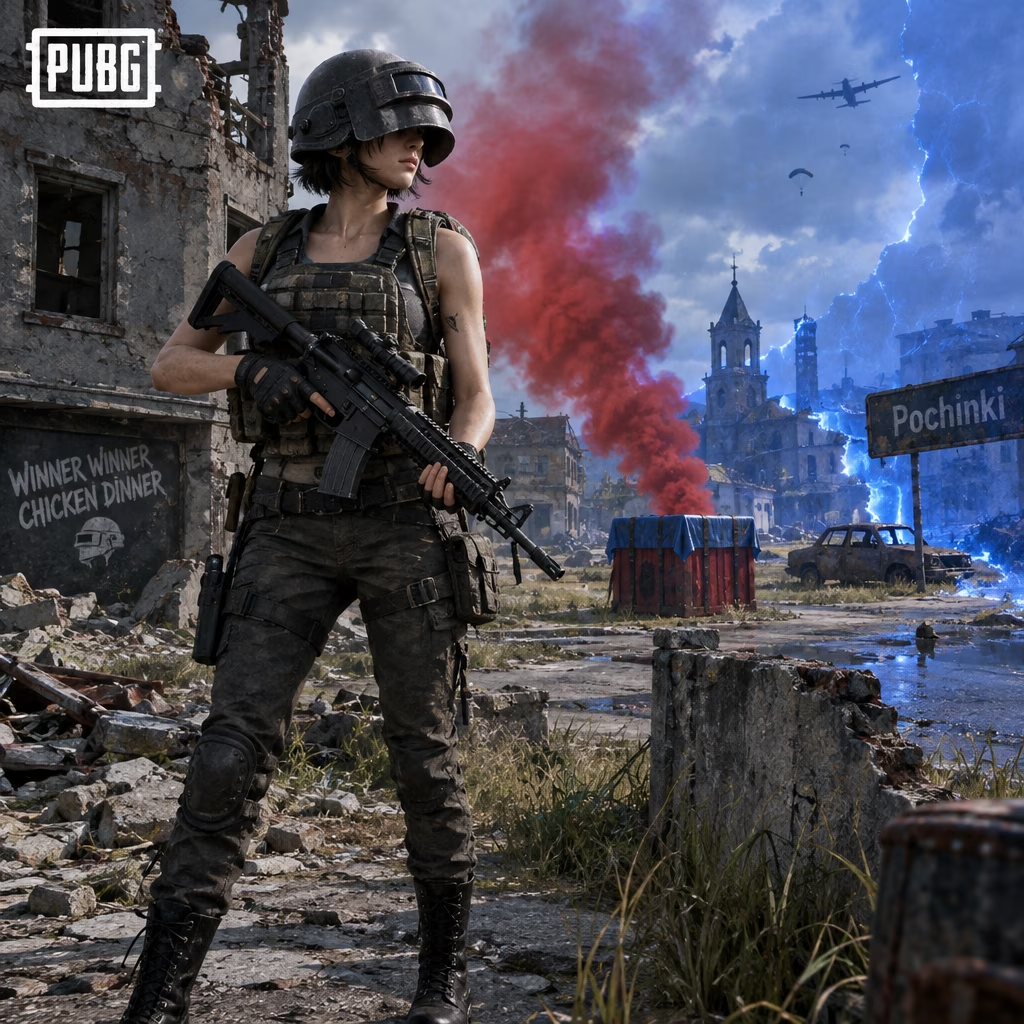
From S.U.P.E.R. to WWCD: A Core Philosophy Reset
The previous S.U.P.E.R. settings gave competitive PUBG a sturdy foundation by trimming some of the game's more unpredictable edges. But over time, I noticed the professional scene drifting away from the chaotic, heart-pounding essence of Battle Royale. The updated ruleset aimed to pull it back. Winning a match became the ultimate objective again, and I could feel the difference in every broadcast. When a team clutched a final circle, the payoff wasn't just points on a board; it was a moment of pure adrenaline. PGI.S had already shown me how thrilling WWCD could be, and I wanted more of that energy.
The 2021 PCS Format, Revisited
When I looked at the actual structure, the changes felt designed to reward consistency without sacrificing fairness. Here's how the 2021 PCS events compared to 2020:
| Feature | PCS 2020 | PCS 2021 |
|---|---|---|
| Grand Finals games | 24 | 36 |
| Matches per day | 4 | 6 |
| Match days per week | 2 | 2 |
| Total match days | 6 | 6 |
| Weekly format | Single league | Individual league each week |
| Prize distribution | — | Top 8 squads each week |
| Champion decided by | — | Highest total prize money |
That table might look dry, but as a viewer, it meant more matches, more chances for underdogs, and a weekly storyline I could follow. Every week was its own league, with prize money on the line for the top eight squads. The team with the most prize money at the end of the tournament would be crowned champion. I loved that because it forced every roster to prove they could capture Chicken Dinners consistently, not just survive one hot weekend.
Prize Money, Kill Points, and the Deadliest Player
The earn-to-win model added another layer. Each week had $70,000 USD on the line, with an extra $20,000 reserved for the series winner. Kill points still mattered, especially when equally matched teams needed separation. In fact, kills became the key factor in deciding final rank, and the deadliest player even received a bonus award. That detail stuck with me because it celebrated individual brilliance without overshadowing the team goal.
I remember watching teams rethink their drop strategies and mid-game rotations. Some squads that used to play passively for placement suddenly had to hunt for kills and wins. Others leaned into aggression, and the broadcasts felt livelier. 🍗 The WWCD rule didn't remove tactics; it re-centered them around the ultimate prize. Every match started with the same challenge: be the last squad standing. To become champions, teams had to show they had the mettle to do it over and over again.
What It Felt Like as a Fan in 2026
Fast forward to 2026, and I still think about that 2021 shift as a turning point. The debate around WWCD versus more placement-heavy systems never fully disappeared, and that's healthy. But the core lesson from PCS 2021 stuck with me: competitive PUBG is most exciting when it feels like the PUBG I actually play. The increased number of matches gave everyone a shot at earning a win, and the weekly prize structure kept the stakes high from start to finish. 🎯
As a fan, I appreciated that the PUBG Esports team listened to feedback and explained the reasoning in detail. They didn't just drop a ruleset and walk away. They talked about closing the gap between play and watch, about fairness across more games, and about keeping kill points relevant. Those ideas still shape how I evaluate any competitive Battle Royale format today. 📊
Looking back, the 2021 PCS ruleset wasn't just a tweak. It was a statement that Chicken Dinners matter, that consistency matters, and that viewers deserve a show that mirrors the game they love. And honestly? I'm still here for it.